


The Government’s new Great British Summer Savings Scheme has certainly generated plenty of headlines. Promising reduced VAT on family attractions, cheaper children’s meals and free bus travel for children during August, it sounds like welcome news for families feeling the pressure of rising living costs.
At first glance, it appears to be a straightforward win. Families save money, businesses attract more customers and everyone benefits. But as with many government announcements, the reality is a little more nuanced.
The scheme introduces a temporary reduction in VAT from 20% to 5% on a range of family-focused activities and attractions over the summer holidays. The aim is to encourage families to get out and enjoy themselves while providing a boost to sectors such as hospitality, leisure and entertainment.
For families planning trips to the cinema, theme parks, museums or other attractions, any reduction in cost is likely to be welcomed. After all, a family day out can quickly become an expensive affair once tickets, food, travel and refreshments are added together.
However, one important point that has been overlooked in much of the media coverage is that businesses are not required to pass the VAT saving on to customers.
Many hospitality and leisure businesses have spent the last few years dealing with rising wages, higher energy costs, increasing rents and growing operating expenses. Some businesses may decide to reduce prices in full, some may pass on only part of the saving, and others may use the reduced VAT rate simply to help protect already stretched profit margins.
That does not mean the scheme is a failure. In fact, for many businesses it may provide exactly the breathing space they need. A family attraction facing higher operating costs may be able to invest more in facilities, staffing or customer experience. Restaurants and cafés may be able to absorb some of their rising costs without increasing prices elsewhere.

At MITLEV Accountants, we suspect the biggest benefit may actually come from the publicity surrounding the scheme. When consumers hear that activities are cheaper and that summer savings are available, they are naturally more inclined to spend. Increased visitor numbers can often have a greater impact than the VAT saving itself.
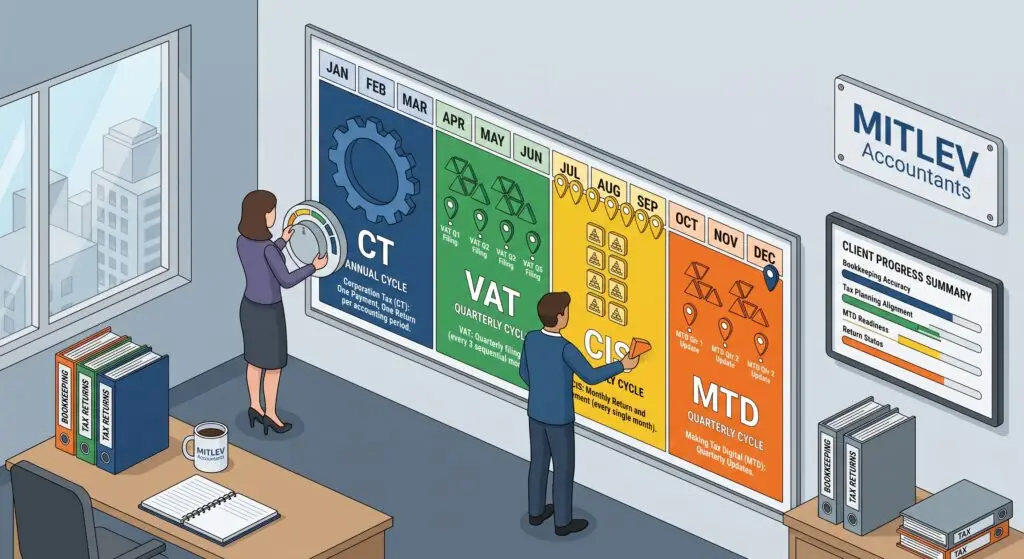
Of course, businesses looking to take advantage of the scheme should not overlook the practical side. Temporary VAT changes can create confusion, particularly where only certain products or services qualify. Applying the wrong VAT rate can create unnecessary problems later and may lead to corrections on future VAT returns.
We have already seen many businesses asking questions about whether specific sales qualify, how their accounting software should be updated and what happens when the scheme comes to an end. These are sensible questions, and businesses would be wise to review their VAT processes before making any changes.
For families, the scheme is unlikely to transform household finances overnight. The headlines may give the impression of huge savings, but in reality the benefit for most households will probably be modest. Nevertheless, every saving helps, particularly during the expensive summer holiday period.
For businesses, the scheme may prove more valuable than many initially realise. Whether through increased customer spending, improved cash flow or greater public interest, there is certainly an opportunity to make the most of the summer months.
As with many tax announcements, the devil is often in the detail. If you are unsure how the Great British Summer Savings Scheme applies to your business, MITLEV Accountants can help you understand the rules, avoid costly mistakes and ensure you are making the most of any available opportunities.
The Great British Summer Savings Scheme may not be the game changer some headlines suggest, but neither is it simply a publicity stunt. For families it offers some welcome relief, and for businesses it could provide a much-needed boost during the busiest time of the year. Time will tell whether it delivers on its promise, but it is certainly one of the more interesting tax measures we have seen in recent years.